
More Information
Submitted: July 16, 2026 | Accepted: July 18, 2026 | Published: July 20, 2026
Citation: Jacob SM, Thatikonda N, Valaparla V, Patel CV. Rapidly Progressive Weakness in MGUS-Associated Chronic Inflammatory Demyelinating Polyneuropathy: A Rare Presentation and Review. Arch Cancer Sci Ther. 2026; 10(1): 28-30. Available from:
https://dx.doi.org/10.29328/journal.acst.1001052
DOI: 10.29328/journal.acst.1001052
Copyright license: © 2026 Jacob SM, et al. This is an open access article distributed under the Creative Commons Attribution License, which permits unrestricted use, distribution, and reproduction in any medium, provided the original work is properly cited.
Keywords: Chronic inflammatory demyelinating polyneuropathy; Monoclonal gammopathy of undetermined significance; Paraproteinemic neuropathy; Plasma exchange; POEMS

Rapidly Progressive Weakness in MGUS-Associated Chronic Inflammatory Demyelinating Polyneuropathy: A Rare Presentation and Review
Shireen M Jacob, Nithisha Thatikonda, Vijaya Valaparla and Chilvana Vilaschandra Patel*
University of Texas Medical Branch at Galveston, Texas, USA
*Address for Correspondence: Chilvana Vilaschandra Patel, University of Texas Medical Branch at Galveston, Texas USA, Email: [email protected]
Monoclonal gammopathy of undetermined significance (MGUS) may be associated with peripheral neuropathy; however, IgG MGUS–associated chronic inflammatory demyelinating polyneuropathy (CIDP) is uncommon and generally follows a slowly progressive or relapsing course. We report a man in his early 40s who developed rapidly progressive sensorimotor weakness resulting in quadriparesis and inability to ambulate within eight weeks. Examination demonstrated severe proximal and distal weakness, glove-and-stocking sensory loss, and absent reflexes. Cerebrospinal fluid protein was markedly elevated, and nerve conduction studies/electromyography demonstrated acquired demyelination with secondary axonal loss. Evaluation identified IgG MGUS, supporting the diagnosis of MGUS-associated CIDP after alternative etiologies were excluded. Intravenous immunoglobulin was discontinued on day 3 following the development of a pulmonary embolism. The patient subsequently completed eight plasma-exchange sessions, with improvement in lower-extremity strength to 3/5, upper-extremity strength to 4/5, and sensory symptoms. He was discharged to rehabilitation with planned monthly plasma exchange.recognised clinical spectrum of IgG MGUS–associated CIDP and demonstrates that meaningful neurological improvement may occur with plasma exchange despite rapid progression and severe initial disability.
Monoclonal Gammopathy of Undetermined Significance (MGUS) is a type of plasma cell dyscrasia. These disorders involve the proliferation of a single clone of plasma cells, leading to increased concentration of immunoglobulins, which could be IgM or non-IgM (IgA or IgG).
MGUS patients usually are asymptomatic, but can have nonspecific symptoms such as fatigue, bone pain, and increased risk of infection. The main neurological manifestation associated with MGUS is polyneuropathy [1]. Based on the type of immunoglobulin involved, it can be either IgM-associated paraproteinemic neuropathy or IgG/IgA associated paraproteinemic neuropathy, with IgM-associated neuropathy being more common. In this disease entity, the immunoglobulins directly target the myelin-associated glycoprotein (MAG), leading to what is known as paraproteinemic neuropathy [2]. Within IgM paraprotein neuropathy, there is an entity known as Distal Acquired Demyelinating Symmetric Neuropathy with an M protein. (DADS-M). These patients typically present with gradually progressive focal neurological deficits, with sensory > motor symptoms that are symmetric and length-dependent.
Polyneuropathy, Organomegaly, Endocrinopathy, Monoclonal protein, and Skin changes (POEMS) is another type of monoclonal gammopathy with neurological symptoms but differs from MGUS in that the monoclonal protein is predominantly IgG or IgA lambda type. In POEMS, neurological symptoms initially start with sensory symptoms involving the distal extremities first and then the proximal. Patients then, within weeks or months, have motor involvement as well [3].
MGUS can also rarely present with associated Chronic Inflammatory Demyelinating Polyneuropathy (MGUS - CIDP). This, when compared to idiopathic CIDP, was found to be more common in older men, with slower progression of disease and with more sensory involvement than motor involvement [4,5].
CIDP in the setting of monoclonal gammopathy can be diagnostically challenging given clinical and electrophysiological similarities. The diagnosis requires multi-disciplinary management with neurology and haematology, with long-term follow-up and assessment of response to immunotherapy.
We present a patient with MGUS-associated CIDP who developed rapidly progressive weakness and experienced clinically meaningful improvement following treatment, highlighting the diagnostic evaluation, relevant differential diagnoses, and therapeutic considerations in this uncommon presentation.
A male in his early 40s presented with numbness and tingling in his hands and feet. Subsequently and with rapid progression, he developed weakness in his lower extremities, followed by upper extremities, rendering him bed-bound in the span of 8 weeks. He also reported a weight loss of 80 pounds over 2 months. His initial neurological exam revealed decreased bulk and tone and a marked reduction in muscle strength, with the lower extremities showing 1/5 in distal muscles and 2/5 in proximal muscles, and the upper extremities showing 3/5 in proximal muscles. Sensory examination showed a glove and stocking pattern of sensory loss with involvement of both small and large fibres. Reflexes were absent. Patient underwent workups, including lumbar puncture, which showed a notable increase in protein (1232 mg/dl) and elevated IgG levels. MRI neuro axis was done, which revealed C2-C3 disc herniation, but without spinal cord compression. He was further tested for infectious, malignant etiologies, and nutritional deficiencies, and they were ruled out. NCV/EMG showed findings of acquired demyelination and secondary axonal loss.
Given these findings, the patient was initiated on Intravenous Immunoglobulin (IVIG) 0.4gm/kg. day for 5 days. However, he was subsequently transitioned to plasmapheresis after the development of a pulmonary embolism, which was attributed to IVIG on Day 3. Patient completed 8 sessions of PLEX with gradual improvement in motor function noted. His motor strength by the 4th plasmapheresis had improved from 1-2/5 to 3/5 in the lower extremities and from 3/5 to 4/5 in the upper extremities. He has also noticed an improvement in sensory symptoms. Reflexes were absent on discharge. He was then discharged for rehabilitation, with a plan for monthly plasma exchange (Figure 1).
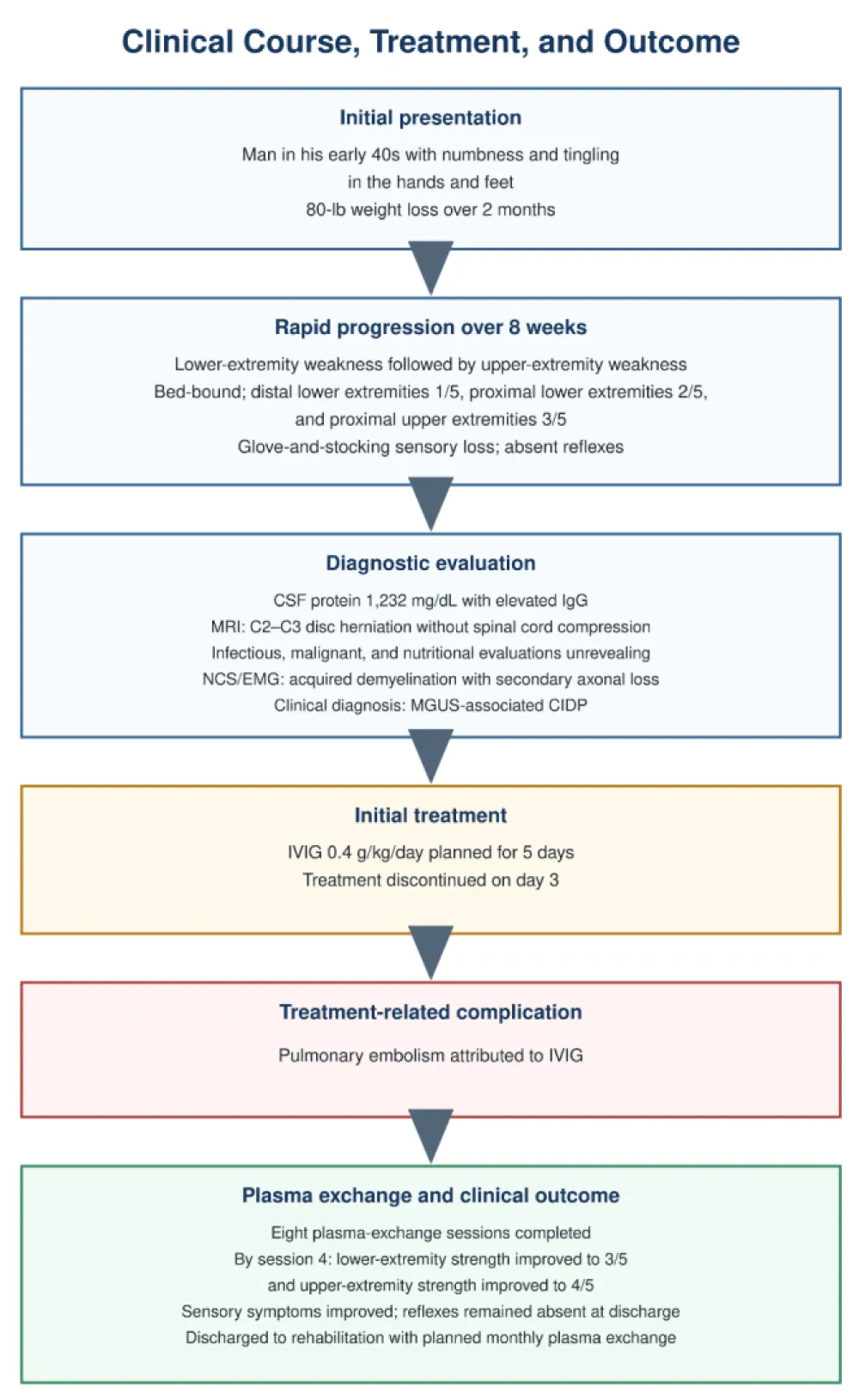
Figure 1: The patient’s clinicalsummarised.
IgG MGUS-CIDP is an uncommon clinical entity that typically presents with a slowly progressive or relapsing course. In contrast, our patient developed severe sensorimotor neuropathy with quadriparesis over weeks, an atypical presentation for paraproteifavourable response to plasmapheresis, differing from rapidly progressive forms were refractory to first-line treatments.
POEMS syndrome is an important differential diagnosis in patients with polyneuropathy and monoclonal gammopathy. Its neuropathy typically begins with distal sensory symptoms, progresses proximally, and is followed by motor weakness. POEMS was considered in our patient because of the rapidly progressive neuropathy, weight loss, and IgG monoclonal gammopathy, but was considered unlikely because of the absence of other characteristic systemic features [3].
IgG MGUS is found in approximately 35%–61% of patients with paraproteinemic neuropathies, but its clinical manifestations are heterogeneous—ranging from length-dependent axonal sensory neuropathies to classic CIDP with proximal and distal motor involvement [9-11]. Historically, the coexistence of IgG MGUS in CIDP patients was viewed as coincidental, given the similar clinical and electrophysiological characteristics between IgG MGUS-CIDP and idiopathic CIDP [10,11]. Furthermore, treatment responses in CIDP have generally been reported as similar, regardless of the presence of IgG MGUS [10].
However, emerging case reports describe atypical clinical courses and treatment responses in patients with CIDP and concurrent IgG MGUS. For instance, Mathis et al. [9] described a patient with a four-year slowly progresstabilised with lenalidomide and mycophenolate—agents not traditionally used in idiopathic CIDP. In that case, nerve biopsy revealed IgG-kappa deposits and myelin lamellae widening; findings can have potential therapeutic implications [11]. For example, in a patient with an IgG MGUS-CIDP, treatment with PLEX, IVIg, and steroids was unsuccessful. Immunosuppressive treatment with high-dose cyclophosphamide, combined with allogeneic bone marrow transplant, led to marked improvement [12]. This suggests the potential pathogenic role of IgG paraproteins in CIDP, although additional studies in this regard are needed.
IgG MGUS–CIDP remains less studied, particularly in acutely progressive forms. A handful of published cases have described a rapidly progressive phase of IgG MGUS–CIDP after an initial slow progressive period, and in most of those, patients were refractory to first-line treatments such as IVIg, PLEX and steroids [7-9]. For example, Lopes et al. [8] reported a patient with IgG/kappa MGUS-CIDP who initially followed a slow progression, but after a five-year relapse, experienced rapid decline requiring autologous stem cell transplantation. Another study documented a patient with IgG/kappa MGUS-CIDP who presented with a 4-week symptom onset, similar to our case, but who failed to respond to IVIg, steroids, and PLEX [13].
In contrast, our patient presented with rapidly progressive symptoms at the initial onset and showed significant clinical improvement with plasmapheresis alone, without the need for advanced immunosuppressive therapies. This distinguishes our case from prior reports and highlights a broader spectrum of clinical variability in IgG MGUS-CIDP, particularly in acutely progressive forms.
This case highlights a rare, rapidly progressive presentation of IgG MGUS–associated CIDP resulting in quadriparesis. IgG MGUS–CIDP should be considered in patients with acute or subacute demyelinating neuropathy, and early evaluation should include serum protein studies and assessment for other paraproteinemic neufavourable response to plasma exchange demonstrates that meaningful neurological recovery may occur despite severe initial disability. Further research is needed to clarify the pathogenic role of IgG paraproteins and identify optimal treatment strategies for this uncommon CIDP subgroup.
- Cibeira MT, Rodríguez-Lobato LG, Alejaldre A, Fernández de Larrea C. Neurological manifestations of MGUS. Haematology Haematology Haematology Haematology Haematology HaematologyHaematology Am Soc Hematol Educ Program. 2024 Dec 6;2024(1):499-504. Available from: https://doi.org/10.1182/hematology.2024000665
- van de Mortel, J. P. M., D’Sa, S., Vrancken, A. F. J. E., Notermans, N. C., Vos, J. M. I., & Minnema, M. C. (2022). Polyneuropathy Associated with IgM Monoclonal Gammopathy; Advances in Genetics and Treatment, Focusing on Anti-MAG Antibodies. Hemato, 3(4), 663-688. https://doi.org/10.3390/hemato3040045
- 3.Gonçalves TAP, Donadel CD, Frezatti RSS, et al. POEMS syndrome: a neuromuscular perspective. J Neurol Neurosurg Psychiatry. 2026;97(4):293–301. Available from: https://doi.org/10.1136/jnnp-2025-336633.
- Van den Bergh PYK, van Doorn PA, Hadden RDM, et al. European Academy of Neurology/Peripheral Nerve Society guideline on diagnosis and treatment of chronic inflammatory demyelinating polyradiculoneuropathy: Report of a joint Task Force—Second revision. J Peripher Nerv Syst. 2021;26(3):242-268. Available from: https://doi.org/10.1111/jns.12455
- Simmons Z, Albers JW, Bromberg MB, Feldman EL. Long-Term Follow-Up of Patients With Chronic Inflammatory Demyelinating Polyradiculoneuropathy, Without and With Monoclonal Gammopathy. Brain (1995) 118( Pt 2):359–68. Available from: https://doi.org/10.1093/brain/118.2.359
- Rison RA, Beydoun SR. Paraproteinemic neuropathy: a practical review. BMC Neurol. 2016 Jan 28;16:13. Available from: https://doi.org/10.1186/s12883-016-0532-4.
- Posa A, Emmer A, Kornhuber M. Severe CIDP-MGUS responsive to Rituximab. Heliyon. 2020 Jun 18;6(6): e04230. Available from: https://doi.org/10.1016/j.heliyon.2020.e04230.
- Lopes C, Costa A, Bergantim R, et al. Refractory CIDP successfully treated with autologous haematopoietic stem cell transplantation in a patient with monoclonal gammopathy of undetermined significance (MGUS) and rheumatoid arthritis. Neuromuscul Disord. 2022 Jan;32(1):71-74. Available from: https://doi.org/10.1016/j.nmd.2021.11.008.
- Mathundetermined significance and endoneurial IgG deposition: A case report. Medicine (Baltimore). 2016 Sep;95(36):e4807. Available from: https://doi.org/10.1097/MD.0000000000004807.
- Chaudhry HM, Mauermann ML, Rajkumar SV. Monoclonal Gammopathy-Associated Peripheral Neuropathy: Diagnosis and Management. Mayo Clin Proc. 2017 May;92(5):838-850. Available from: https://doi.org/10.1016/j.mayocp.2017.02.003.
- Raheja D, Specht C, Simmons Z. Paraproteinemic neuropathies. Muscle Nerve. 2015 Jan;51(1):1-13. Available from: https://doi.org/10.1002/mus.24471.
- Vallat JM, Magy L, Sindou P, et al. IgG neuropathy: an immunoelectron microscopic study. J Neuropathol Exp Neurol. 2005 May;64(5):386-90. Available from: https://doi.org/10.1093/jnen/64.5.386.
- Colucci G, Pabst T, Bacher U, et al. A Case of CIDP Concurrent With MGUS IgG Kappa Responsive to Autologous Stem Cell Transplantation. Neurol Neuroimmunol Neuroinflamm. 2021 Mar 26;8(3):e995. doi: 10.1212/NXI.0000000000000995. Erratum for: Neurol Neuroimmunol Neuroinflamm. 2020 Sep 15;7(6):e888. Available from: https://doi.org/10.1212/NXI.0000000000000888.